
Navigating Multi-Currency Conversion Layouts and Regional Compliance Barriers on a Major International Trading Site for Global Investors
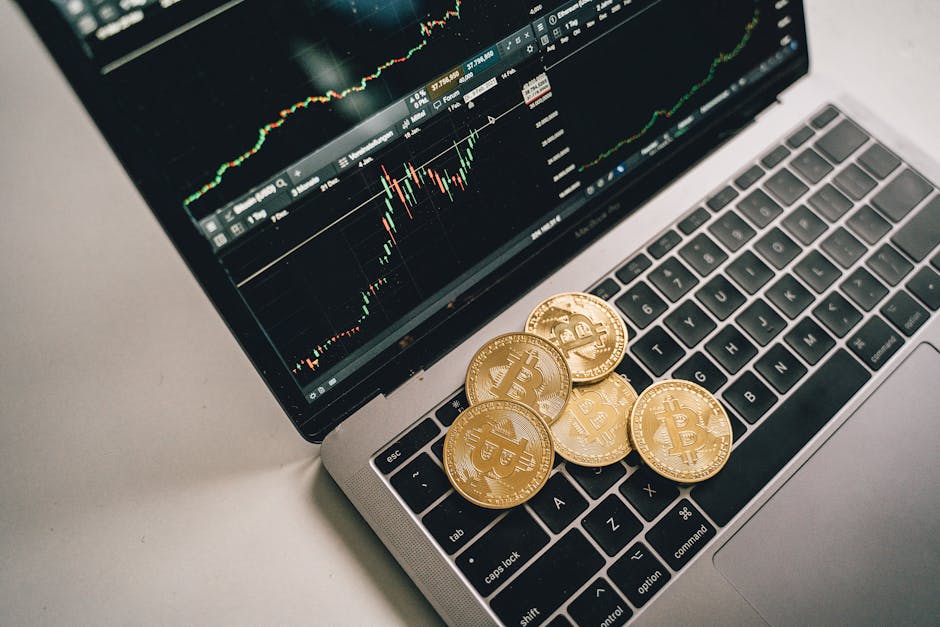
Understanding Multi-Currency Conversion Layouts
Global investors face hidden costs when trading across borders. The interface of a major international trading site often displays multiple currency pairs, but conversion rates are not always transparent. Spreads can vary by 0.5% to 2% depending on the liquidity of the fiat or crypto pair. Investors must analyze the layout: some platforms show the bid-ask spread in a separate tab, while others embed it in the order book. Ignoring these details leads to losses of up to 3% per transaction.
Layout Components That Impact Costs
The conversion layout typically includes a base currency selector, a quote currency field, and a dynamic fee calculator. On many platforms, the fee is calculated after the user confirms the trade, not before. This lack of upfront visibility forces investors to manually compute the effective rate. A practical tip: always toggle between “market” and “limit” orders to see the real spread. Some sites also offer a “multi-currency wallet” where balances are held in separate accounts, reducing conversion frequency but increasing complexity.
Regional Compliance Barriers: A Practical Guide
Compliance regulations differ drastically between regions. The European Union enforces MiFID II and AMLD5, requiring detailed KYC and transaction reporting. In contrast, Asian markets like Singapore follow MAS guidelines with stricter leverage caps. An investor from Brazil, for instance, must navigate CVM rules that restrict certain crypto-to-fiat conversions. Failure to comply can result in frozen accounts or fines. The platform’s compliance page often lists supported jurisdictions, but regional restrictions may not be updated in real time.
How to Identify Hidden Barriers
Look for the “legal disclaimer” section in the footer. It usually reveals which countries are blacklisted. Additionally, check the “deposit methods” page: if a specific bank transfer option is missing for your country, that signals a compliance wall. Some platforms require a verified local address to unlock certain currency pairs. For example, a U.S. investor cannot trade certain stablecoins on the same site as a German investor due to SEC classifications. Using a VPN to bypass these barriers violates the site’s terms of service and can lead to permanent bans.
Strategies for Efficient Multi-Currency Management
To minimize conversion costs, consolidate your trades into a single base currency like USD or EUR. This reduces the number of conversions from once per trade to once per settlement period. Use limit orders instead of market orders to control the exchange rate. Another tactic is to hold stablecoins (e.g., USDC) as an intermediate layer, converting only when withdrawing to a local bank. This method avoids the 1-2% spread on each fiat conversion.
For compliance, maintain separate accounts for different regulatory zones if the platform allows sub-accounts. Always update your KYC documents before they expire-expired documents trigger automatic conversion freezes. Set up two-factor authentication and whitelist withdrawal addresses to prevent delays during compliance checks. Track your transaction history monthly to spot any unexpected conversion fees that may indicate a layout misinterpretation.
FAQ:
What is the biggest hidden cost in multi-currency conversion on trading sites?
The bid-ask spread, often not shown until after the trade is executed, can cost 1-3% per conversion.
How can I check if my country is restricted on a trading platform?
Review the “supported jurisdictions” list in the legal section; also test with a small deposit to see if the transaction goes through.
Does using a VPN to access a restricted region violate platform rules?
Yes, it violates the terms of service and can result in immediate account closure and asset freezing.
What is the safest way to avoid frequent conversions?
Hold a stablecoin like USDC as an intermediate currency and convert only when withdrawing to local fiat.
How often should I update my KYC documents?
Immediately upon expiry; most platforms send reminders 30 days before expiration.
Reviews
Carlos M., Brazil
I was losing 2% on every trade due to hidden spreads. After reading this guide, I switched to limit orders and saved $400 in a month.
Anika S., Germany
The compliance section helped me understand why my stablecoin trades were blocked. I updated my address and now everything works smoothly.
James L., Singapore
Multi-currency layout was confusing until I learned to check the fee calculator. Now I plan my trades better and avoid surprise costs.